
How to Pick a Roof That Fits Your Home, Weather, and Budget Goals
The best materials for roofing installation depend on your home’s shape, local weather, how long you want the roof to last, and how much upkeep you can handle. Some roofs cost less at the start but need more repairs later. Others last longer and stand up better to wind, heat, or heavy rain. If you live in Eastsound, WA, it helps to match the roof type to the weather your home faces each year.
What You Need Before Starting
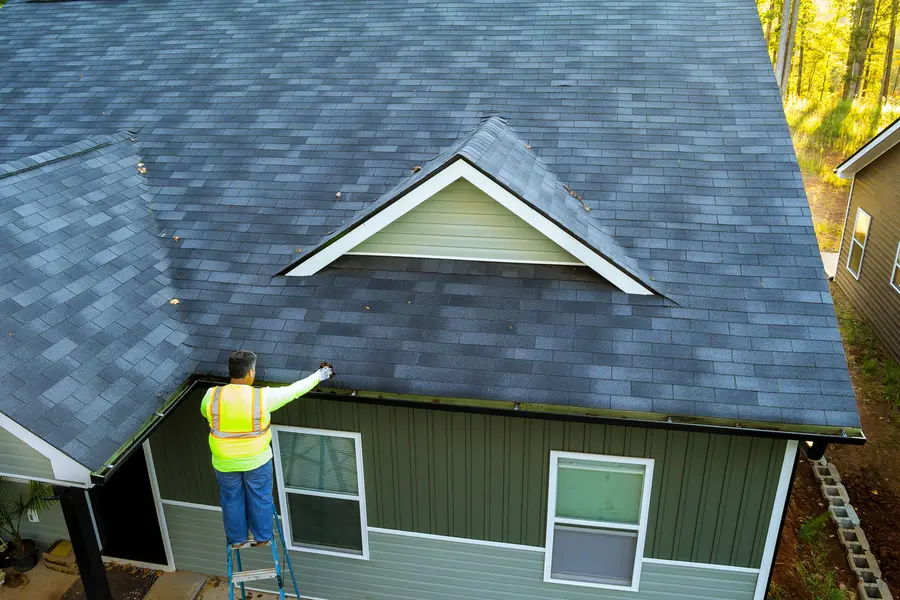
Before you choose a material, gather a few basic facts about your home. This helps narrow your options and keeps you from picking a roof that looks nice but does not work well. Even if you are planning a full roofing installation soon, a little prep can save time and stress.
Start with the age and slope of your current roof. Some materials are heavier than others. Your roof frame must be able to hold that weight. You should also think about how long you plan to stay in the home. A short-term owner may want a simple option. A long-term owner may want a stronger roof with a longer life.
- your roof size and slope
- your local weather patterns
- how much maintenance you want
- how long you want the roof to last
- your home’s style and color
- any rules from your neighborhood or city
- your plans for the property
If you are comparing more than one service category, ask how each choice affects repairs, energy use, and curb appeal. Those details matter just as much as the first cost.
Step-by-Step Process for Choosing Materials
A simple step-by-step plan makes the choice easier. You do not need to guess. You just need to compare the right things in the right order.
- Check your climate. Hot sun, hail, wind, snow, and salt air can all affect roof life.
- Look at your roof shape. A steep roof may work well with shingles, metal, or tile. A low-slope roof may need a different system.
- Set your goals. Decide if you want long life, low upkeep, better energy savings, or a certain look.
- Compare common materials. Asphalt shingles are popular and cost less up front. Metal roofs last longer and shed rain well. Tile and slate can last a very long time but may need extra structural support.
- Ask about repair needs. Some materials are easy to patch. Others need special tools or trained crews.
- Review warranty details. A good product warranty is helpful, but proper installation matters just as much.
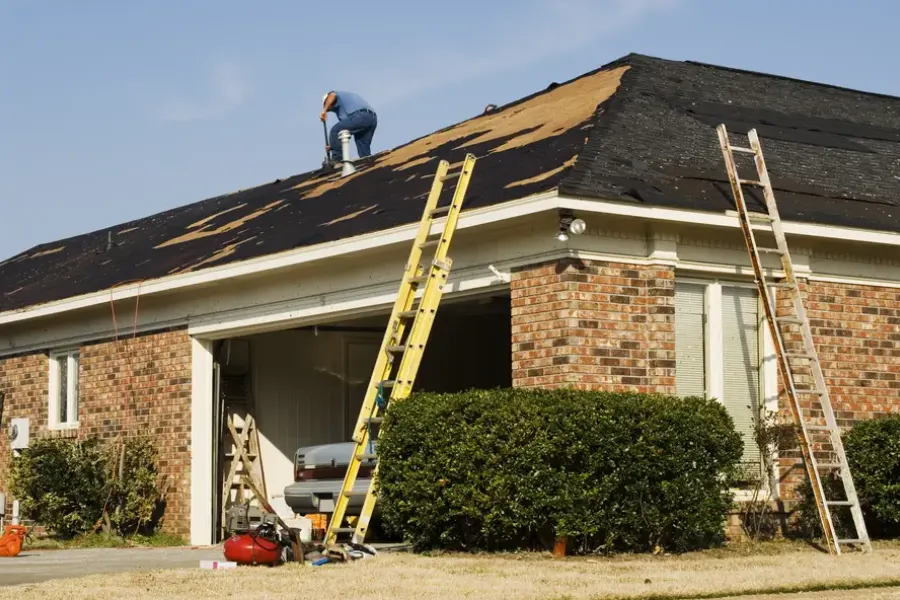
- Get a roof inspection. This tells you if the deck or structure needs work before roofing installation begins.
For many homes, asphalt shingles are a solid starting point because they fit many styles and budgets. Metal can be a smart pick in places with heavy rain or high heat. Tile often works well on homes that need a bold look and long service life.
Common Mistakes to Avoid
Many homeowners choose a roof based only on color or first cost. That can lead to trouble later. The wrong material may wear out faster, raise repair needs, or even strain the roof frame.
One common mistake is ignoring local weather. A roof that works well in one state may not do well in another. Another mistake is skipping attic airflow and underlayment details. Even the best surface material can fail early if the whole roof system is not planned well.
- choosing by looks alone
- forgetting about roof weight
- not checking wind or fire ratings
- picking the cheapest option without comparing lifespan
- missing hidden damage under old shingles
- hiring someone who does not explain material pros and limits
It also helps to think about noise, energy use, and future repairs. Metal, for example, is loved by many owners, but some want extra insulation for sound control. Small details like that can shape the final choice.
When to Call a Professional
You should call a roofing expert when you are not sure what your structure can support, when storm damage may be present, or when you are comparing several material types. A trained roofer can inspect the decking, flashing, vents, and drainage paths. That gives you a clearer picture before roofing installation starts.
Expert help is also useful when your roof has tricky features like skylights, valleys, chimneys, or steep sections. These areas need careful planning. A professional can explain how each material handles water flow, heat, and long-term wear. That makes your decision simpler and safer.
If you are replacing an older roof, a pro can also spot issues that are easy to miss from the ground. Soft spots, poor ventilation, and damaged flashing can all affect how well the new roof performs.
Final Recommendation
The right choice for roofing installation is the one that fits your climate, home design, and long-term plans. Start with weather, roof shape, and expected lifespan. Then compare upkeep, repair needs, and strength. In Eastsound, WA, local conditions can play a big part in how well a roof holds up over time. For clear advice and a roof plan that fits your property, contact us at (360) 376-3431. At Salinas General Contractor LLC, we can help you sort through material options and choose a roof system that makes sense for your home.