
Best Material Choices Depend on Your Home, Climate, Budget, and Long-Term Goals
The best material for roofing replacement depends on how long you want the roof to last, how your home is built, and what kind of weather it faces in Eastsound, WA. Some roofs do well with asphalt shingles because they cost less and are easy to install. Others do better with metal, tile, or wood because they last longer or match the style of the home. The right pick is the one that fits your roof shape, local weather, and repair needs without causing bigger problems later.
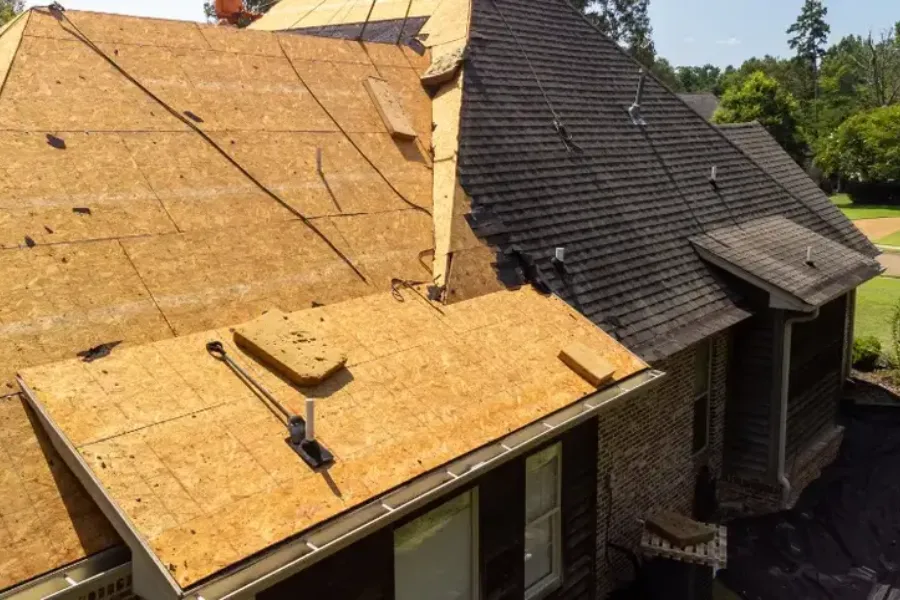
Start With the Main Factors That Shape Your Choice
Before picking a new roof, it helps to look at a few simple things. A roofing system does more than cover your home. It sheds water, handles wind, and helps protect the structure below. The wrong material can wear out too fast, add too much weight, or need more upkeep than expected.
Here are the main things most homeowners should review before roofing replacement:
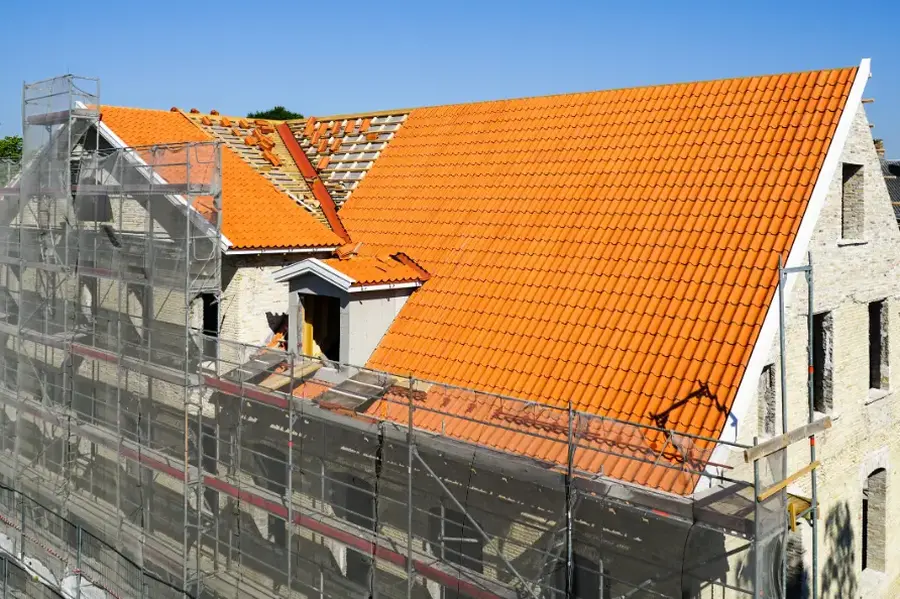
- roof slope and shape
- local weather, including wind, rain, heat, and hail
- home style and neighborhood appearance
- how long you plan to stay in the home
- maintenance needs over time
- weight limits of the roof frame
- help from a trusted service category keyword contractor or roofer
These points make it easier to compare one material with another. They also help you avoid a roof that looks good at first but causes trouble later.
Compare Common Roofing Materials Side by Side
Most roofing replacement projects come down to a few common material choices. Each one has good points and limits. The best one for your home may not be the best one for your neighbor.
Asphalt shingles are a popular choice. They are widely used because they work well on many homes and come in many colors. They are easier to replace than some other materials. Still, they may not last as long as metal or tile in rough weather.
Metal roofing is known for strength and long life. It can shed water and snow well, and it often stands up better to wind. Some homeowners like that it reflects heat. But metal may cost more up front and can look very different from traditional shingles.
Clay or concrete tile can last a long time and give a home a bold style. Tile works well on some homes, but it is heavy. Not every roof frame can support it without added work. Tile can also crack if walked on the wrong way.
Wood shingles or shakes have a natural look many people like. They fit some older or cottage-style homes very well. But they need more care and may not be the best fit in areas with high moisture or fire risk.
Pros and Cons of Popular Options
- asphalt shingles: lower cost, easy repairs, many color choices, but shorter life than some premium materials
- metal roofing: strong, long-lasting, good for wind and rain, but higher first cost
- tile roofing: very durable, attractive, long life, but heavy and more complex to install
- wood roofing: natural appearance, unique style, but more upkeep and weather limits
Seeing the pros and cons in a simple list can help narrow your choices faster.
Match the Material to Your Home and Daily Needs
The best roofing replacement material often depends on how the home is used. A homeowner planning to move in a few years may want a solid, budget-friendly option that looks clean and works well. A homeowner staying for decades may want something with a longer service life, even if the first cost is higher.
Home style also matters. A simple ranch home may look great with architectural shingles. A Spanish-style home may look more natural with tile. A cabin or historic-style property may fit wood better. The right material should protect the house and look like it belongs there.
Weather should guide the choice too. In places with strong storms, impact resistance matters. In hot sunny areas, heat reflection can help. In wet climates, shedding water fast is a big deal. A roof that fits the local climate usually gives fewer problems over time.
Mistakes People Make When Choosing Roofing Materials
One common mistake is picking based on color or style alone. Looks matter, but performance matters more. Another mistake is ignoring roof weight. Heavy materials may need extra framing support. Some people also focus only on the first bill and forget about repair needs, lifespan, and upkeep.
Another issue is trying to match a neighbor’s roof without checking if it fits the home’s structure. Two homes on the same street can have very different roof shapes, attic ventilation, and sun exposure. What works on one may not work on the other.
It also helps to avoid mixing materials without a clear plan. Valleys, flashing, underlayment, and ventilation all need to work together. A roof is a full system, not just the surface material.
Use This Final Checklist Before Making Your Decision
- check your roof slope and framing strength
- think about your area’s wind, rain, heat, and storm patterns
- decide how long you want the roof to last
- compare upkeep needs for each material
- review style choices that fit your home
- ask about product warranties and installation methods
- get a professional roof inspection before making the final call
This short process can save time and help you make a smart choice. It can also lower the chance of repairs soon after the new roof is installed.
Get Clear Guidance Before You Move Forward
If you are planning roofing replacement in Eastsound, WA, we can help you compare materials based on your home’s needs and roof condition. At Salinas General Contractor LLC, we give clear answers and practical guidance so you can feel good about your next step. Call us at (360) 376-3431 to schedule a roof evaluation and talk through your options.