
Simple Inspection Habits Can Help Stop Leaks, Damage, and Missed Warning Signs
The most common mistakes during roofing maintenance inspections are going too fast, missing small signs of damage, checking at the wrong time, and trying unsafe repairs without the right skills. A good inspection should focus on clear warning signs, safe access, and regular upkeep. When done the right way, it can help spot small roof problems before they grow into costly repairs.
Why Prevention Matters
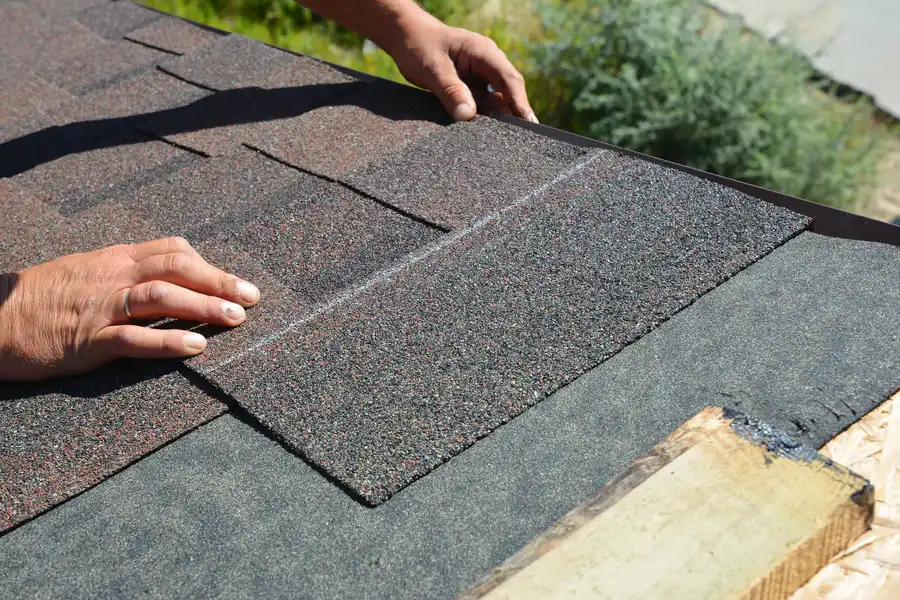
Roofs take a beating all year. Sun, rain, wind, and debris slowly wear them down. That is why roofing maintenance is not just a once-in-a-while task. Regular inspections can catch cracked shingles, loose flashing, clogged drains, and soft spots before water gets inside. Small issues are usually much easier to fix than major leaks or structural damage.
Many property owners wait until they see water stains on a ceiling. By then, the roof problem may have been there for weeks or months. A simple routine check can help prevent that. This also applies to every part of the roof system, not just the shingles or surface materials.
Early Warning Signs
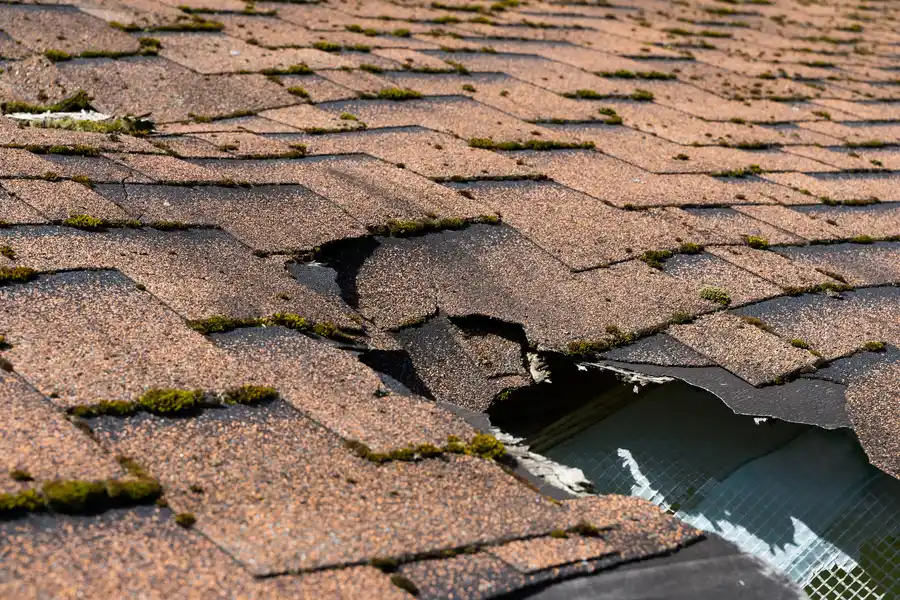
Some roof problems are easy to spot. Others are not. One common mistake is only looking for obvious leaks. A roof can have trouble long before water drips into a room. During roofing maintenance inspections, it helps to look for early signs that something is changing.
- Missing, curled, or cracked shingles
- Rust on metal parts
- Loose flashing around vents and chimneys
- Granules collecting in gutters
- Sagging areas or uneven roof lines
- Mold, moss, or dark streaks
- Wet spots in the attic or on insulation
Another mistake is ignoring the gutters. Gutters and downspouts are part of the drainage system. If they clog, water can back up and damage the roof edge. Even if the main roof surface looks fine, poor drainage can still cause major trouble.
Seasonal or Routine Checklist
A smart inspection follows a routine. Random checks can miss key areas. A seasonal plan helps keep the process simple and organized. Spring and fall are often good times to inspect the roof, especially after storms or strong winds.
- Start from the ground and look for visible damage.
- Check for fallen branches and debris buildup.
- Inspect gutters for clogs and granule loss.
- Look at flashing around vents, skylights, and chimneys.
- Check the attic for stains, damp wood, or musty smells.
- Note any sagging or soft-looking roof sections.
- Take photos so changes can be tracked over time.
One mistake people make is inspecting only the outside. Indoor signs matter too. An attic can show hidden moisture before the living area does. Another mistake is skipping checks after bad weather. Hail and wind can loosen materials even when damage is not obvious from the street.
Best Practices for Long-Term Results
Good roofing maintenance works best when it is steady and simple. It does not need to be complicated. The goal is to find small problems early and keep the roof clean and draining the right way.
Trim tree branches that hang over the roof. Remove leaves and debris before they trap moisture. Keep records of past repairs and inspection dates. If the property has different roofing materials, inspect each area with care because wear may show up in different ways. Even the service category keyword should be reviewed as part of the full property care plan, especially if the building has connected exterior systems that affect roof drainage or airflow.
It also helps to use the same checklist each time. That lowers the chance of missing an area. Taking photos from similar angles can make it easier to compare changes from season to season.
What Not to Do
Many inspection mistakes happen because people rush or guess. One of the biggest mistakes is walking on the roof without proper safety gear or training. A fall risk is serious, and some roofing materials can crack under foot traffic.
Another common mistake is using quick patch products as a long-term fix. Roof cement or caulk may help for a short time, but they do not solve every issue. If flashing is loose or shingles are worn out, a small patch may only hide the real problem.
Here are a few things to avoid:
- Ignoring small stains or minor exterior damage
- Power washing shingles
- Walking on steep or wet roof surfaces
- Forgetting to check roof edges and valleys
- Waiting too long after a storm
- Using the wrong materials for repairs
Another issue is failing to document what was found. If damage gets worse later, it helps to know when it first appeared and what part of the roof was affected.
When to Schedule Professional Help
Some inspection tasks are fine from the ground or inside the attic. But certain signs call for trained help. If there is sagging, repeated leaks, storm damage, soft decking, or signs of trapped moisture, a professional inspection is the safer choice. The same goes for steep roofs, tall buildings, and surfaces that are hard to reach.
Professional roofers can spot signs that are easy to miss. They can also check flashing details, roof penetrations, ventilation, and drainage paths more closely. This can be very helpful if the roof is older or has had several past repairs. In many cases, roofing maintenance done on a regular schedule can extend roof life and lower the chance of surprise repairs.
Get Help Before Small Roof Issues Grow
If you have noticed roof wear around your property in Eastsound, WA, we can help review the warning signs and point out trouble spots. Contact Salinas General Contractor LLC to schedule a roofing maintenance check and talk with us about the next steps. Call (360) 376-3431 when you are ready, and we will help you protect your roof with practical care that fits your needs.