
Small Roof Problems Can Stop Bigger Damage Before It Spreads
Roofing repair helps prevent long-term property damage by stopping water, air, and pests from getting into weak parts of a building. A small leak or loose shingle may seem minor at first, but over time it can lead to rot, mold, stained ceilings, damaged insulation, and even structural trouble. In places like Eastsound, WA, fast action can help protect both homes and commercial buildings from bigger and more expensive problems later.
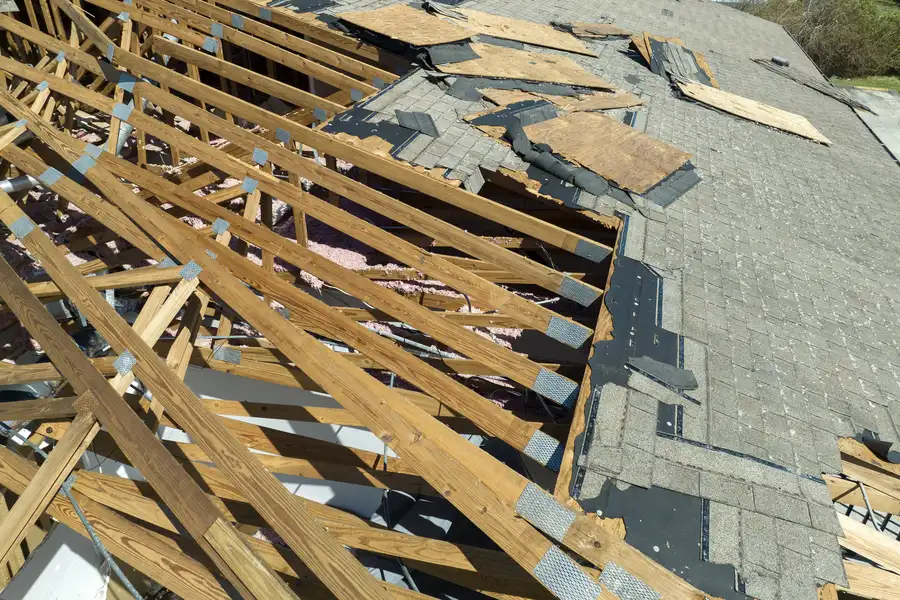
Why Prevention Matters
Your roof is the first barrier against rain, wind, sun, and debris. When that barrier has damage, the whole property can suffer. Water often enters through tiny cracks, lifted shingles, worn flashing, or open seams. Once moisture gets in, it may travel far from the original problem. That means the damage you see inside may not be directly under the roof issue.
Quick roofing repair limits that spread. It helps protect wood framing, drywall, insulation, flooring, and electrical parts. It can also help a property stay more energy efficient. Even though the service category keyword is blank here, the need for timely care still applies across many roof systems and property types.
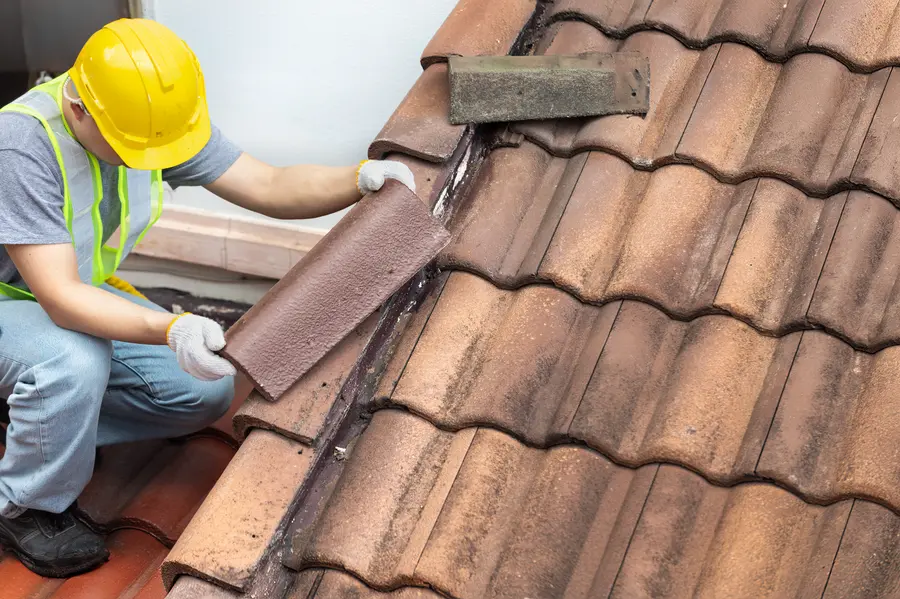
Early Warning Signs
Many owners do not notice roof trouble until a stain appears on a ceiling. By then, water may have already been inside for days or weeks. Catching early signs can make a big difference.
- Missing, cracked, or curling shingles
- Dark spots on ceilings or walls
- Dripping water in the attic
- Soft or sagging roof areas
- Loose flashing near vents or chimneys
- Granules collecting in gutters
- Moldy smells indoors
- Higher heating or cooling bills
These signs matter because they point to places where your roof may no longer shed water the right way. A prompt inspection after spotting any of these issues can help stop damage before it spreads deeper into the property.
Seasonal or Routine Checklist
Regular checks are one of the best ways to prevent long-term damage. You do not need to wait for a major storm to inspect your roof. A simple routine can help you find trouble earlier.
- Look at the roof from the ground each season.
- Check for missing shingles, dents, or sagging spots.
- Inspect gutters for blockages and shingle granules.
- Look in the attic for stains, moisture, or daylight.
- Check flashing around vents, skylights, and chimneys.
- Trim branches hanging over the roof.
- Schedule a professional inspection after severe weather.
This kind of routine helps catch small entry points before water has time to soak roof decking or wall cavities. It is a simple habit that can help extend roof life and lower the chance of hidden damage.
Best Practices for Long-Term Results
Good roof care is not just about fixing leaks after they happen. It is about reducing stress on the whole system. One best practice is to address storm damage right away. Wind can lift shingles just enough for water to enter later during a light rain. Another smart step is keeping gutters clean so water can drain away instead of backing up under roofing materials.
Ventilation also matters. A roof that traps too much heat and moisture can age faster. In an attic, trapped moisture may lead to mold, warped wood, and reduced insulation performance. Regular roofing repair, paired with basic upkeep, helps protect more than the outer roof surface. It supports the health of the full building envelope.
It also helps to keep records. If you notice a leak or a repair spot, take a photo and note the date. This can help track repeat trouble areas and make future inspections easier.
What Not to Do
Some property owners try quick patch jobs that do not last. A temporary fix may slow a leak for a short time, but it can also hide the real source of the problem. That delay may let water keep moving into wood or insulation.
Avoid these common mistakes:
- Ignoring a small ceiling stain
- Using roof cement on every issue without inspection
- Walking on the roof without proper safety steps
- Delaying repairs until the next storm season
- Forgetting to check attic spaces
- Letting clogged gutters overflow for weeks
Another mistake is focusing only on the visible damage. Roof problems often affect nearby materials too. A missing shingle can lead to underlayment damage. A small flashing gap can allow slow leaks around wall joints. That is why proper diagnosis matters.
When to Schedule Professional Help
Some basic visual checks are fine from the ground, but many roof issues need trained eyes. If you see active leaks, soft spots, storm damage, or repeated water stains, it is time to call a professional. The same is true if the roof is older or if repairs keep happening in the same area.
Professional roofing repair can help find hidden moisture, damaged decking, failed flashing, and drainage issues that are easy to miss. This is especially helpful after hail, strong wind, or heavy rain. Fast service can stop damage before it reaches framing, interior finishes, or electrical systems.
For commercial buildings, quick action matters too. Small membrane splits, punctures, or seam problems can let in water that spreads across a large area. That can affect offices, storage, equipment, and daily operations.
Get Help Before Small Roof Issues Grow
If you have seen signs of roof trouble in Eastsound, WA, it is smart to act before the damage spreads. Our team at Salinas General Contractor LLC can inspect problem areas and explain the next steps in clear terms. Call us at (360) 376-3431 to set up a visit and protect your property from avoidable long-term damage.