
A Clear Walk-Through of the Visit, Findings, and Next Steps
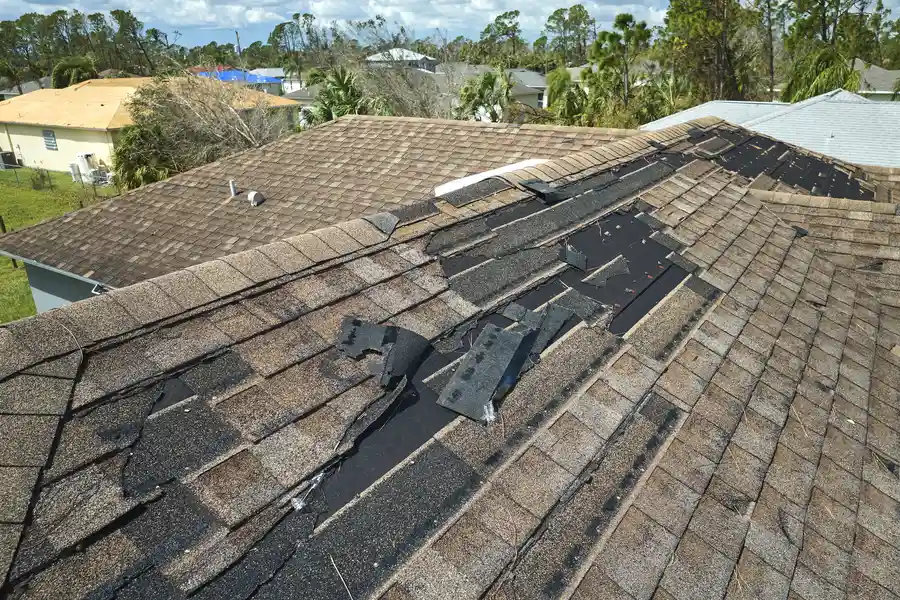
If you are planning a roof inspection and repair visit, you can expect a careful check of your roof’s condition, a review of visible damage, and a simple explanation of what needs attention. Most appointments include an outside inspection, and sometimes an attic check if needed. After that, the contractor explains the problem, talks about repair options, and lets you know what comes next. In Eastsound, WA, this helps homeowners catch leaks, storm damage, and worn shingles before bigger trouble starts.
What You Need Before Starting
Before a roofing repair visit, it helps to do a little prep. You do not need to climb on the roof or fix anything yourself. You just want to make the home easy to inspect. If there has been a leak, make note of where the water showed up. If you saw missing shingles or gutter debris, that is helpful too. This kind of service can fall under a general service category, depending on the company and the type of home.
- Clear cars from the driveway if roof access is near it
- Move patio items away from the house if needed
- Write down leak spots, stains, or drafty areas
- Have attic access ready if the inspector asks to check inside
- Keep pets indoors during the visit
These small steps can help the appointment go faster and make it easier to spot the root of the problem.
Step-by-Step Process During the Visit
Most roof inspection and roofing repair visits follow a simple path. The goal is to find damage, explain it in plain words, and decide what repair work makes sense.
- The contractor arrives and asks about any roof concerns.
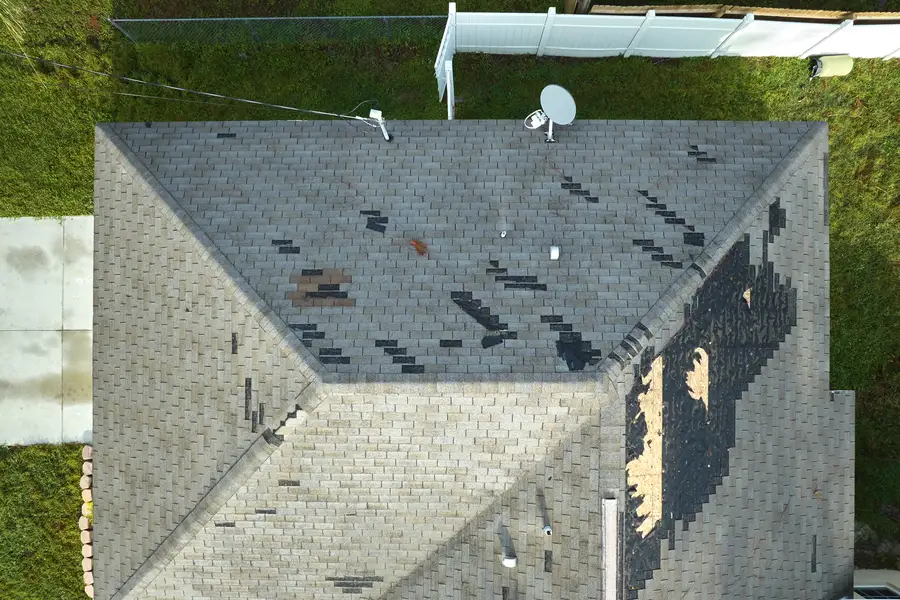
- A visual check starts from the ground for signs of sagging, missing shingles, or flashing trouble.
- The roof surface is inspected up close when safe to do so.
- Key parts are checked, such as vents, flashing, valleys, and seal points.
- Gutters may be reviewed for granules, blockages, or water flow issues.
- If there is an active leak, the attic or ceiling area may be checked.
- The findings are explained, often with photos.
- Recommended repairs are reviewed, along with what may happen if the issue is left alone.
Some repairs can be done the same day if the damage is small and weather allows. Other jobs may need a second visit, especially if materials must be ordered or if the roof has wide damage.
What the Inspector Is Usually Looking For
During roofing repair inspections, the contractor is not just looking for one obvious hole. Roof problems often spread from weak spots around roof parts that let water in. A small crack in flashing can lead to stains on a bedroom ceiling. Loose shingles can let wind-driven rain slip under the roof surface. That is why the inspection covers more than one area.
Common items checked include broken or lifted shingles, nail pops, soft spots, worn sealant, rusted flashing, damaged pipe boots, poor drainage, and signs of storm impact. If your roof is older, the inspector may also look for signs that repairs may only be a short-term fix.
Common Mistakes to Avoid
Many homeowners mean well, but a few common mistakes can make roof problems worse. The biggest one is waiting too long. A small leak can spread into insulation, drywall, or wood framing. Another mistake is trying a quick patch with the wrong product. Roof cement or caulk in the wrong place may hide the real issue for a short time, but it rarely solves it fully.
- Do not ignore water stains that seem small
- Do not pressure wash shingles
- Do not walk on the roof without proper safety gear
- Do not assume the leak is directly above the stain
- Do not skip repairs after a storm just because damage looks minor
These mistakes can lead to more repair work later and higher stress during the next storm.
When to Call a Professional
Some signs mean it is time to call for roofing repair right away. If water is entering the home, if shingles are missing after wind, or if you see sagging areas, do not wait. These issues can grow fast. A professional should also inspect any roof that has storm damage, repeated leaks, or signs of wear around vents and chimneys.
You may also want expert help if your roof is older and you are not sure if a repair will hold up. A trained eye can tell the difference between a small fix and a larger issue that needs a stronger plan. This can save time and help you avoid patchwork repairs that keep coming back.
What Happens After the Inspection
After the inspection, you should expect a simple summary of the roof’s condition and the next steps. This may include photos, a description of the damaged areas, and a repair plan. If the issue is urgent, the contractor may suggest fast action to stop water from getting in. If the roof is stable for now, you may be able to plan the work around your schedule.
Ask questions if anything is unclear. A good explanation should help you understand what failed, why it matters, and what the repair is meant to do. That way, you can make a smart choice without guessing.
Get Help With the Next Step
If you need help with roofing repair in Eastsound, WA, we are here to inspect the problem and explain your options in a clear way. Contact us at (360) 376-3431 to set up a visit. At Salinas General Contractor LLC, we help homeowners take care of roof issues before they turn into bigger damage.